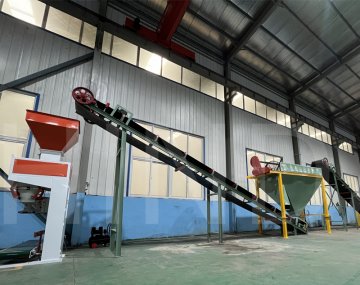
- Organic fertilizer production equipment
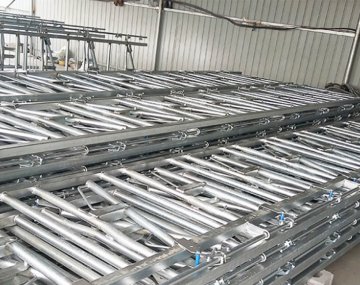
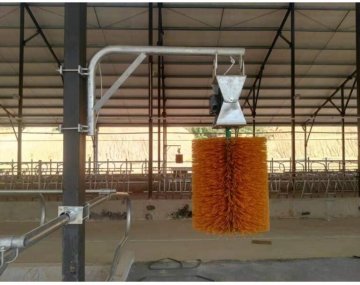
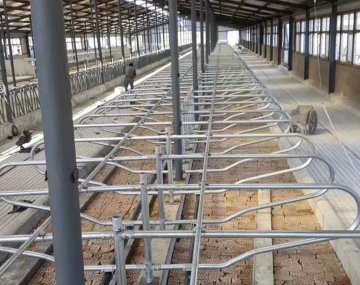
- Farm basic equipment
- Ranch feeding machine

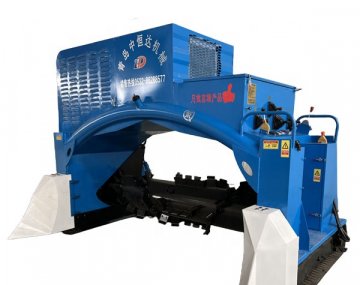
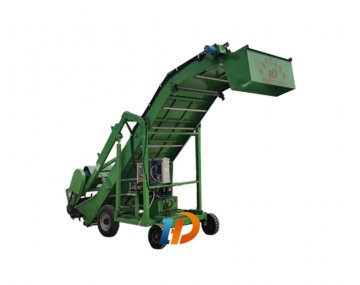
A solid fertilizer spreader is an essential piece of agricultural machinery for large-scale crop farming, orchard fertilization and organic fertilizer recycling. It efficiently spreads manure, granular fertilizer and powder fertilizer evenly across the field. Based on published machine parameters and real-world operating experience, this guide explains how to choose, operate and maintain your fertilizer spreader.
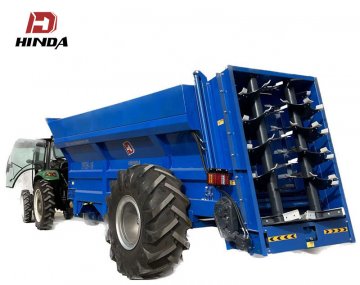
A solid fertilizer spreader — also called a manure spreader or solid manure spreader — loads solid fertilizer into the hopper, where a chain-and-slat conveyor carries it to the spreading mechanism for even distribution over the field. Compared with manual spreading, a fertilizer spreader multiplies work efficiency several times while delivering more uniform coverage and saving labor.
Solid fertilizer spreaders handle organic fertilizer, granular fertilizer, powder fertilizer, manure and lime. Typical applications include base fertilization for field crops, orchard fertilization, greenhouse fertilization and organic fertilizer recycling.
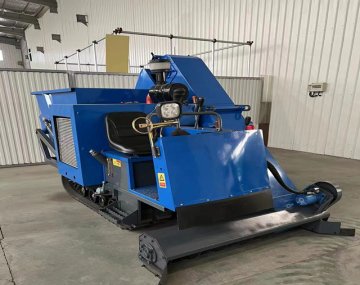
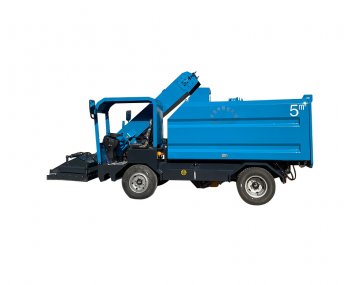
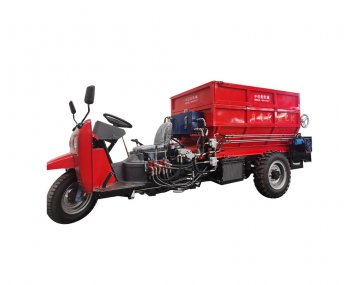
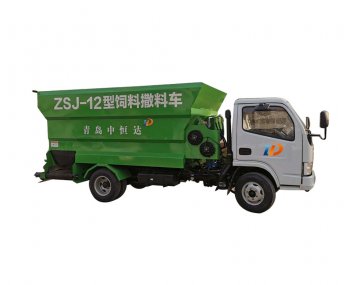
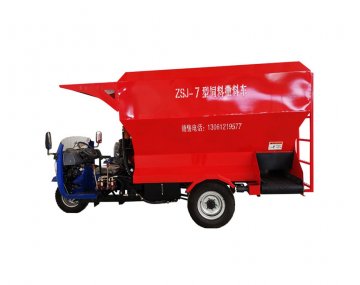
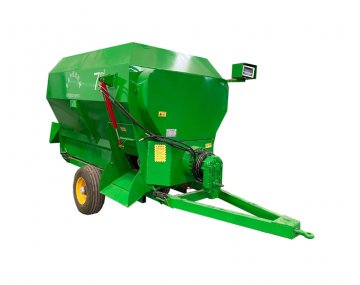
Trailed spreaders feature large hoppers (8–16 m³) and high efficiency, ideal for large fields. Mounted spreaders attach to the tractor's three-point hitch, making them flexible and suitable for small and medium plots. Self-propelled spreaders carry their own engine and are easy to maneuver in greenhouses and hilly orchards.
Twin-disc centrifugal spreaders throw granular fertilizer with high-speed spreading discs and deliver a wide spreading width of 8–16 m. Chain-and-slat conveyor spreaders feed material hydraulically and evenly, making them better suited to sticky organic fertilizer and powder fertilizer with less clogging.
Match hopper capacity to field size: small and medium farms can start with a 2–4 m³ hopper and a 30–60 kW tractor, while large-scale operations should choose 8 m³ or more with a 70–140 hp tractor.
Spreading width typically ranges from 8 to 16 meters and directly determines working efficiency. Application uniformity is the most important quality indicator: research shows that a PTO speed of around 540 rpm delivers the most even spread, while excessive speed reduces uniformity.
Choose models with hydraulic discharge adjustment and variable rate application (VRA) capability for more precise fertilization. Stainless steel hoppers and spreading discs resist corrosion and last longer, lowering total cost of ownership.
Adjust the shutter opening and disc speed according to the fertilizer type before operation, and keep a steady ground speed of 3–7 km/h — driving too fast causes uneven spreading. Use the centrifugal discs for granular fertilizer and the chain-and-slat conveyor for organic and powder fertilizers.
Clean the hopper and spreading discs after every job to prevent caking and corrosion. Regularly inspect the chain-and-slat conveyor, hydraulic system and bearings, and keep them properly lubricated. For long-term storage, drain and clean the machine and store it in a dry, sheltered place.
When choosing a solid fertilizer spreader, first clarify your field size, fertilizer type and available tractor power, then compare hopper capacity, spreading width, application uniformity and build quality. The parameters in this article reference publicly available data from agricultural mechanization research institutes, and prices are subject to manufacturer quotations. The right fertilizer spreader, properly operated and maintained, delivers precise fertilization, higher efficiency and lower costs.